
AGRICULTURE CASE STUDY
+40%
Yield Increase
in Sunflower Microgreens
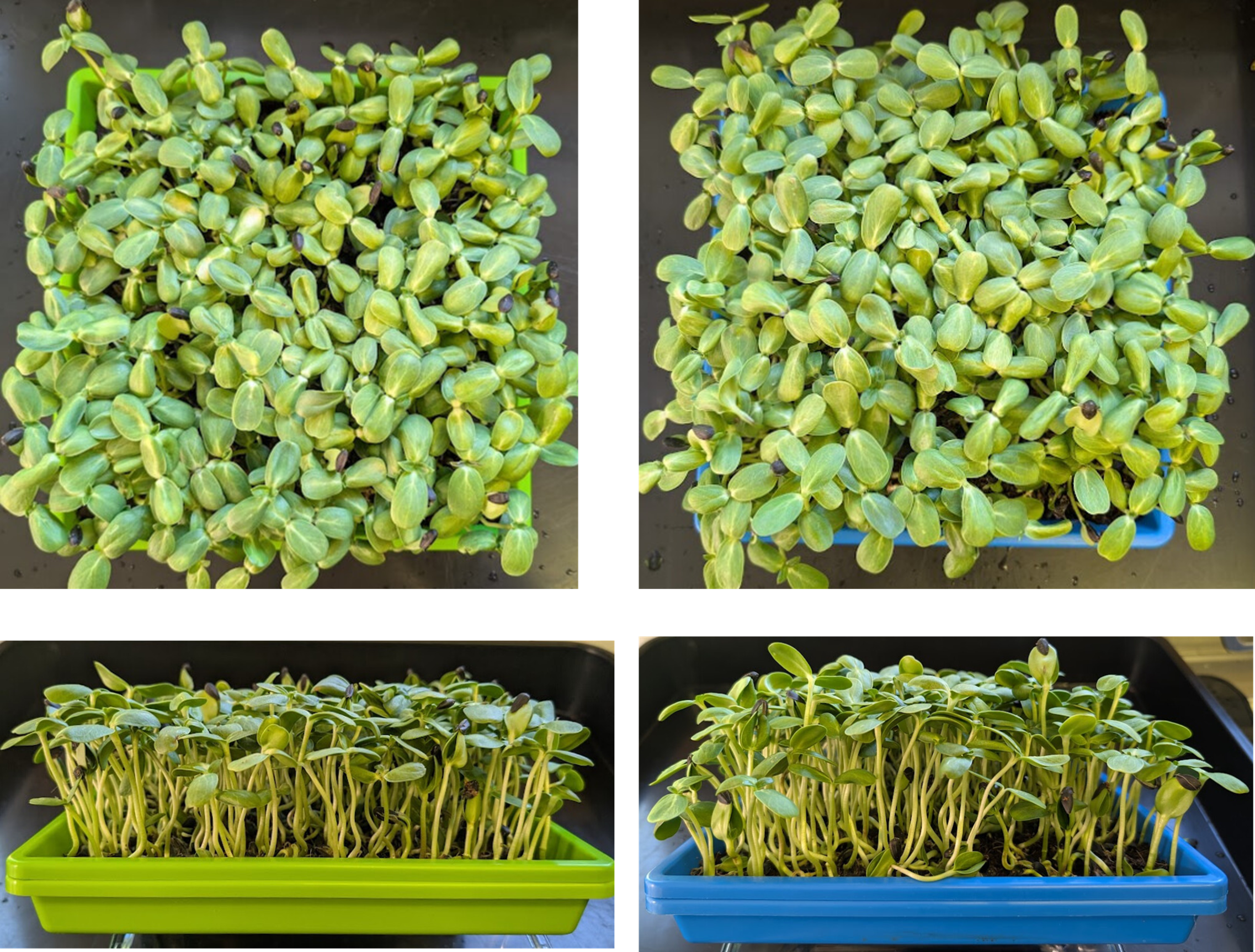
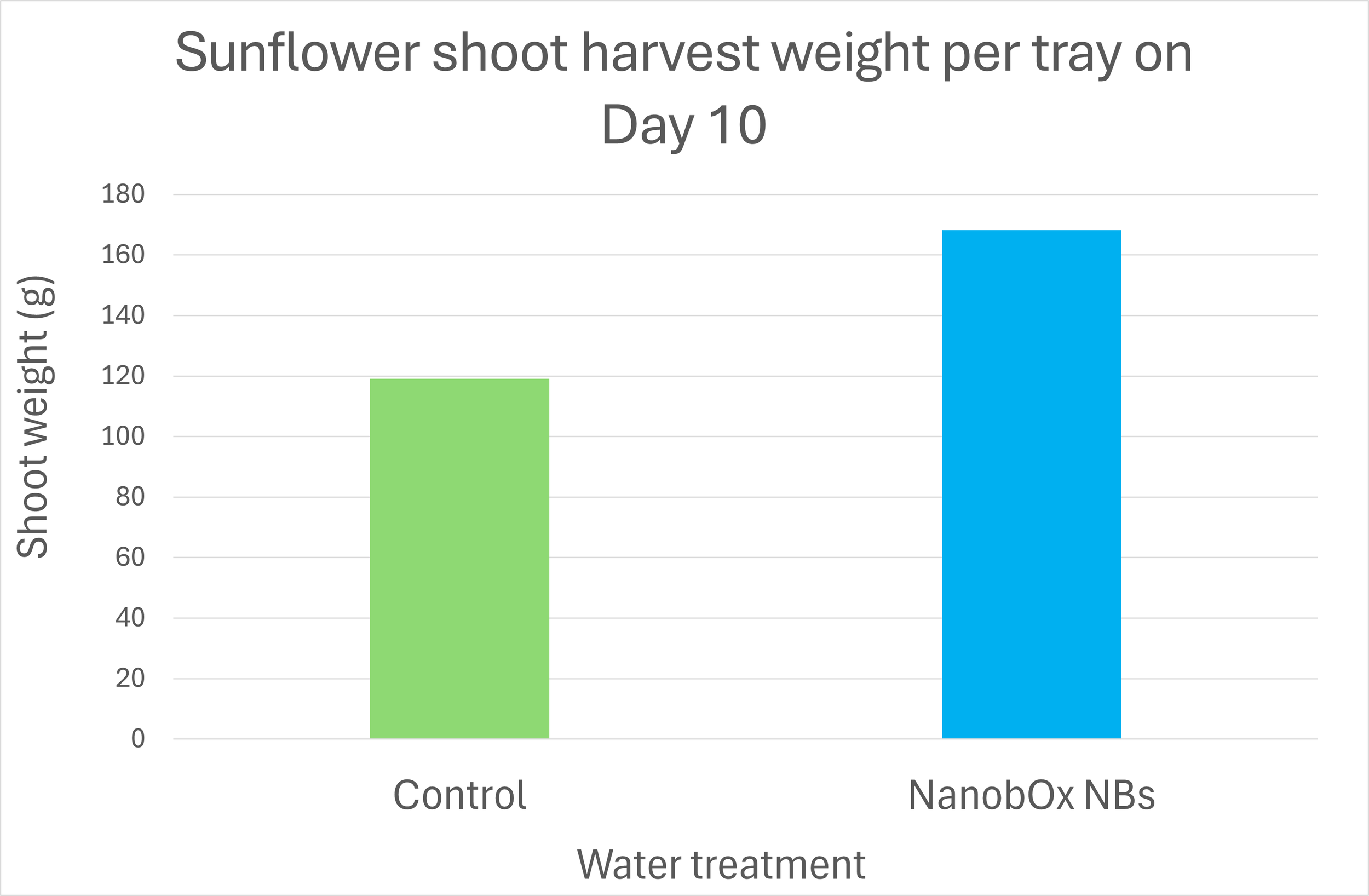
A controlled vertical-farm trial conducted at the Microshoots Laboratory (Dundee, UK) demonstrated that nanobOx nanobubble-treated water increased sunflower microgreens yield by approximately 40% over a 10-day growth cycle.
nanobOx nanobubble water increased biomass with no changes to inputs or growing conditions.
Key Outcomes:
1. Significant Biomass Increase (+40%)
nanobOx-treated trays delivered roughly 40% higher fresh weight at harvest. This magnitude of increase is substantial given the short crop cycle and high-density production typical of microgreens.
2. Improved Canopy Structure & Stem Physiology
Nanobubble-treated plants showed:
Denser and more uniform canopy coverage
Noticeably thicker stems
Improved turgor and structural robustness
Shoot height distribution remained similar to the control, suggesting that nanobubbles influenced overall mass accumulation more than vertical elongation.
3. Enhanced Crop Vigour
Treated trays exhibited vibrant colouration and no visual signs of abiotic stress. This indicates that nanobubbles may enhance water uptake, oxygen availability, or nutrient mobility within the substrate environment.
Technical Interpretation
Microgreens respond strongly to oxygen availability and water–substrate dynamics due to their rapid growth and shallow rooting. The results suggest that nanobubbles:
Increase dissolved oxygen stability in irrigation water
Improve root-zone oxygenation
Potentially influence nutrient solubility and diffusion
Enhance early root establishment, driving higher shoot mass
Because no fertilisers or environmental conditions were altered, the observed gains can be attributed to the water treatment variable alone.
Implications for Growers
This study demonstrates that nanobubble technology can:
Boost yield and product quality without additional inputs
Improve cycle efficiency in high-turnover crops
Integrate easily with existing irrigation systems
Deliver benefits that scale proportionally with tray volume and frequency
For commercial microgreens production, where margins are tight and throughput is critical , the ability to achieve a 40% yield uplift through water treatment alone is highly impactful.
Control nanobOx
AGRICULTURE CASE STUDY
- 40% nitrogen
Yields Maintained in Tomato
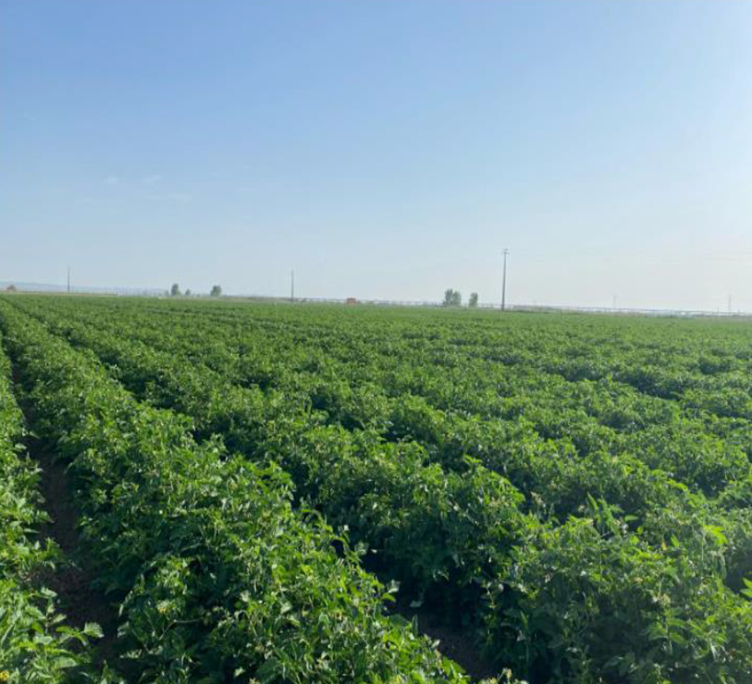
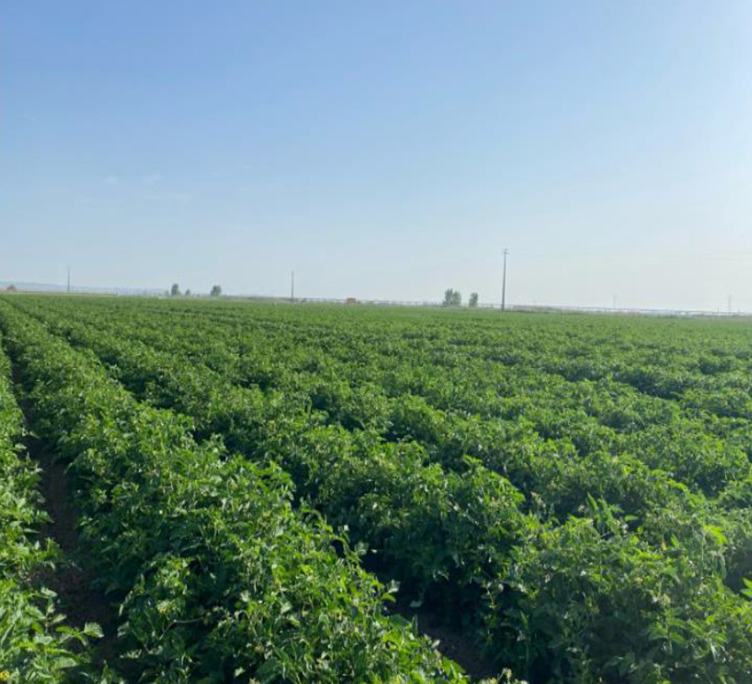
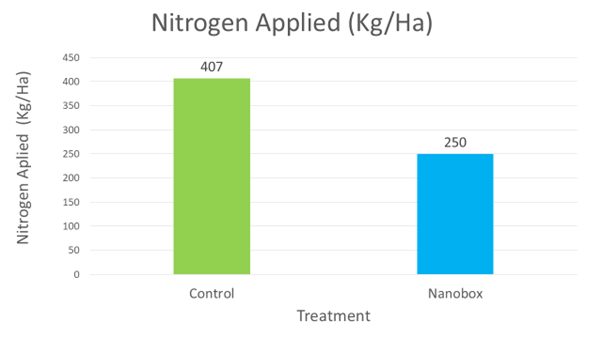
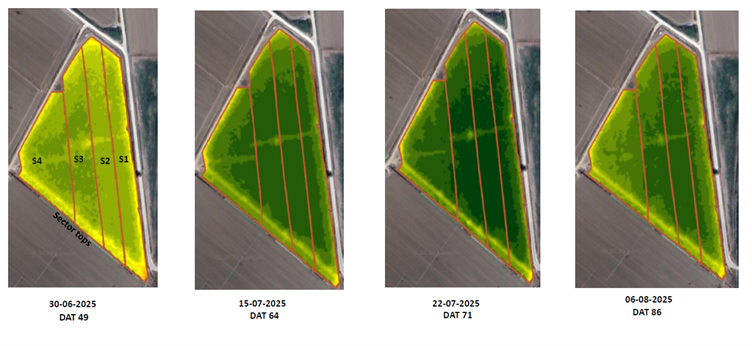
A 2025 field trial conducted in Vila Franca de Xira, Portugal evaluated nanobOx nanobubble treatment of irrigation water under commercial outdoor drip fertigated processing tomato farming conditions. Despite starting late in the crop cycle and operating under near fully oxygen-saturated water conditions, the nanobOx treatment maintained crop yield and quality while reducing nitrogen application by 40%, demonstrating a substantial increase in nutrient-use efficiency and strong commercial potential for optimisation-focused agriculture.
Given ever tightening regulations around fertiliser use, the ability to maintain yield with such drastic reductions in nitrogen will be highly impactful to growers everywhere.
Crop: Processing tomatoes
Trial Type: 1.5 ha trial plot, drip-fertigated
nanobOx Equipment Used: Inline nanobubble generator, 36 m3/h water flow capacity
Treatment Duration: Start at 49 days after transplanting until one week before harvest
Key Results
1. Yield maintained using ~40% less nitrogen
Despite substantially reduced nitrogen, yield in the nanobOx-treated sector was only 2.7% lower than the fully fertilised control plots.
2. Mitigating negative effect of lower fertiliser
A neighbouring sector, which also received the 40% less fertiliser but without nanobOx nanobubble water treatment, showed significantly lower yield (−10.7% vs control), whereas the nanobOx-treated field outperformed it by +9.0% (11.9 t/ha).
Interpretation: nanobOx mitigated typical yield losses associated with fertiliser reduction, supporting better nutrient availability and fertiliser use efficiency.
3. Product quality maintained
Brix and colour were nearly identical between nanobOx and control
No negative impact on product quality attributes.
4. Seamless technical integration
nanobOx equipment operated continuously and integrated smoothly with the existing pressurised fertigation system, requiring no changes to pumps, hydraulics, or water scheduling.
Why These Results Matter
nanobOx nanobubble treatment demonstrated:
Strong fertiliser use efficiency (FUE)
Yield was maintained with much lower fertiliser applied
No negative impact on fruit quality
System reliability and low-maintenance operation of nanobOx
This shows that nanobOx provides significant economic and environmental advantages by reducing input costs and enabling growers to meet any regulatory limitations on fertiliser use.
Commercial Takeaways
nanobOx offers growers a pathway to:
Cut nitrogen use dramatically while maintaining yield
Improve fertiliser use efficiency
Increase environmental sustainability
Easy plug-and-play deployment without operational disruption
AGRICULTURE CASE STUDY
- 50% Fertiliser
Quality and Yield Maintained in Hydroponic Lettuce
Hydroponic and vertical farming systems depend on efficient nutrient and water use to deliver consistent, profitable yields. Rising fertiliser costs and the need to shorten crop cycles push growers to find new ways to increase efficiency without compromising plant health.
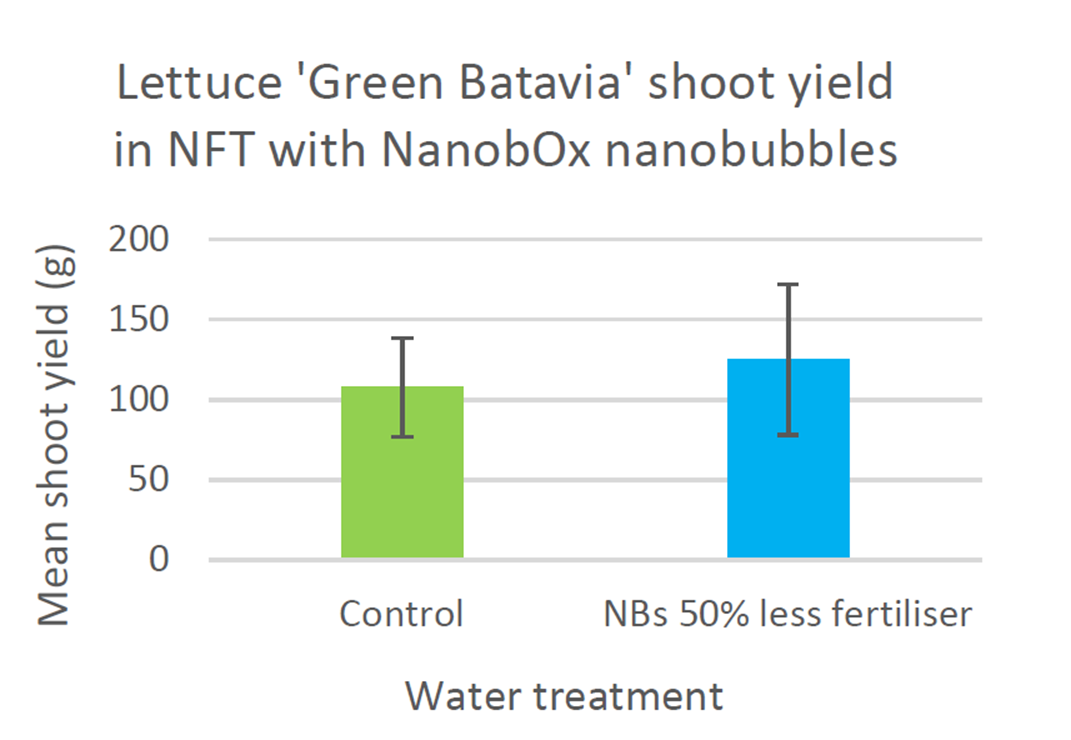
Microshoots Lab (Dundee, UK) has completed a series of controlled trials showing that nanobOx nanobubble technology can maintain full crop performance in hydroponic lettuce while reducing fertiliser use by up to 50%. This breakthrough suggests a step-change in how indoor farms can grow more with less -ower input costs, reduced environmental impact, and greater operational resilience.
The Challenge
Hydroponics is already resource-efficient, but fertiliser inputs remain one of the largest operating costs and environmental burdens. Microshoots Lab set out to answer a fundamental question:
Can growers maintain commercial-grade crop quality while significantly reducing nutrient strength?
The Approach
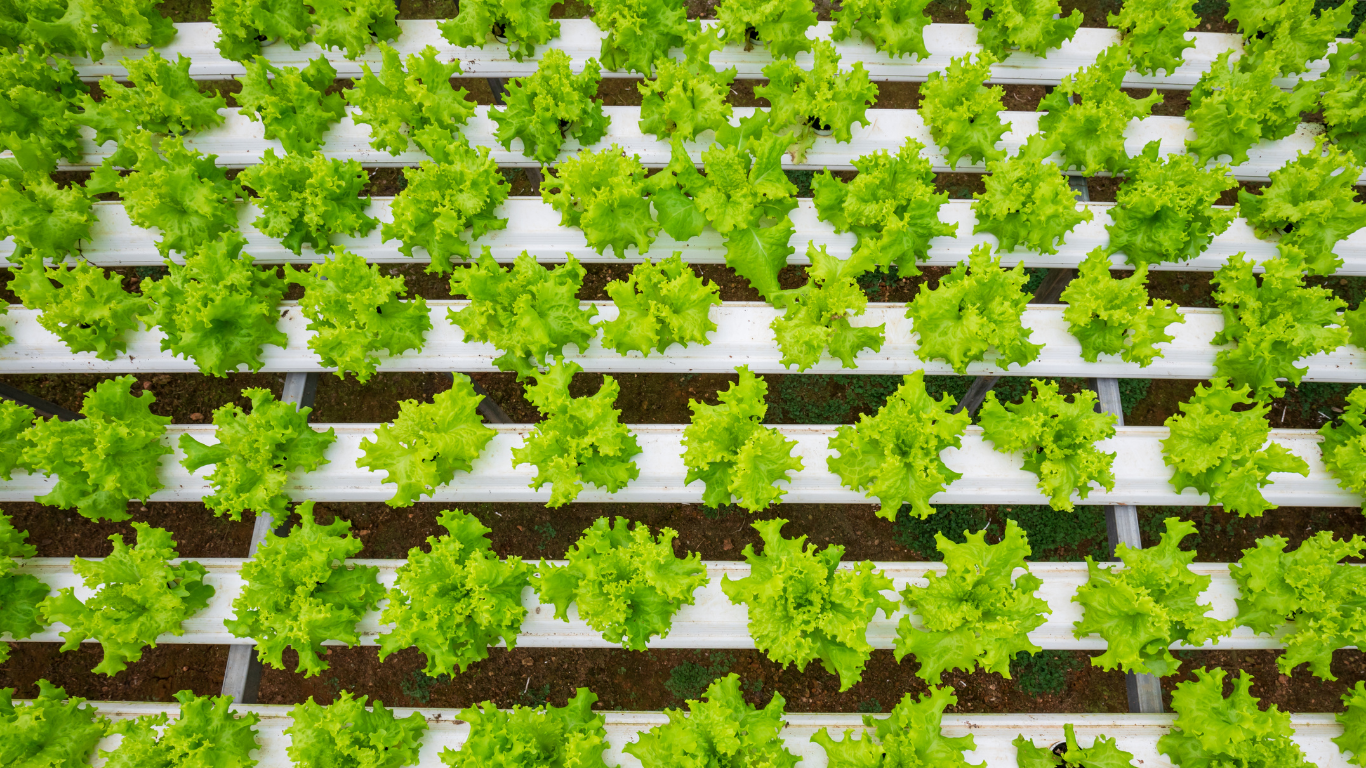
Working with a Nutrient Film Technique (NFT) system in the Microshoots Laboratory (Dundee, UK), researchers compared:
Control: Standard commercial hydroponic fertiliser program
nanobOx Treatment: Only 50% of the standard nutrient concentration, enriched with nanobOx nanobubbles
Throughout the growth cycle, the team monitored:
Leaf growth and visual quality
Root development
Stability of the nutrient solution (pH, EC, DO)
Overall nutrient uptake behaviour
Environmental conditions were kept within best-practice ranges for lettuce, ensuring a fair comparison.
The Results
1. Full-quality lettuce with half the fertiliser
Plants grown with nanobOx enrichment at 50% nutrients showed:
Equivalent shoot yield to the control
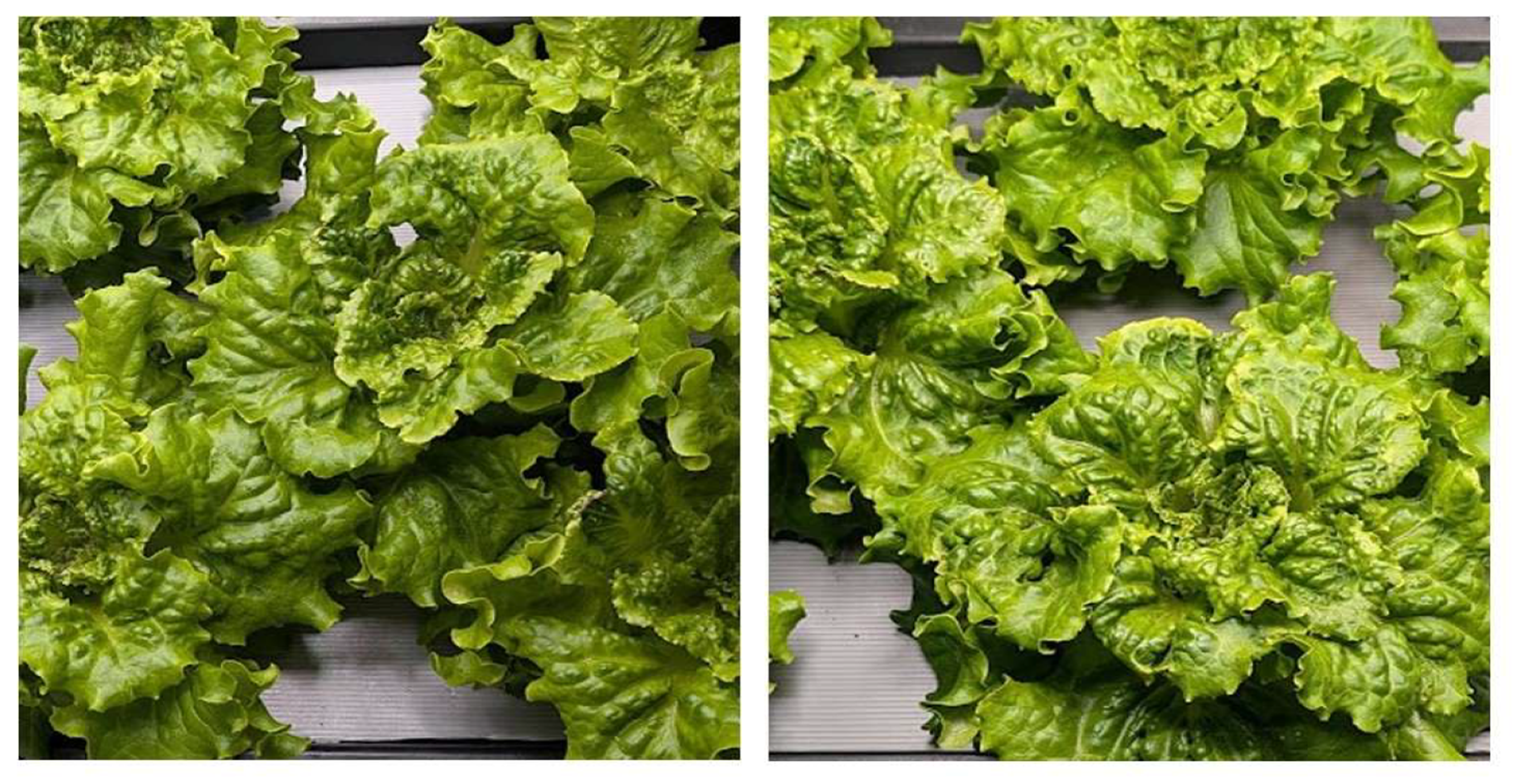
Normal leaf morphology, colour, and turgor
No visible nutrient deficiency symptoms
Bright, robust, healthy root systems
In short: nanobOx delivered the same outcomes with half the inputs.
2. More efficient nutrient uptake
The nutrient solution remained stable, and early indicators suggest the presence of nanobubbles enhances nutrient availability and uptake efficiency.
Why It Matters
Cutting fertiliser input by 50% without sacrificing crop quality can unlock:
Substantial cost savings per kg harvested
Reduced environmental footprint (manufacturing, transport, and runoff risk)
Greater resilience against supply chain shortages and regulatory pressure
This positions nanobOx as one of the most effective technologies available for boosting nutrient-use efficiency in controlled-environment agriculture.
AGRICULTURE CASE STUDY
+30% Yield
Faster Time to Harvest in Radish Microgreens
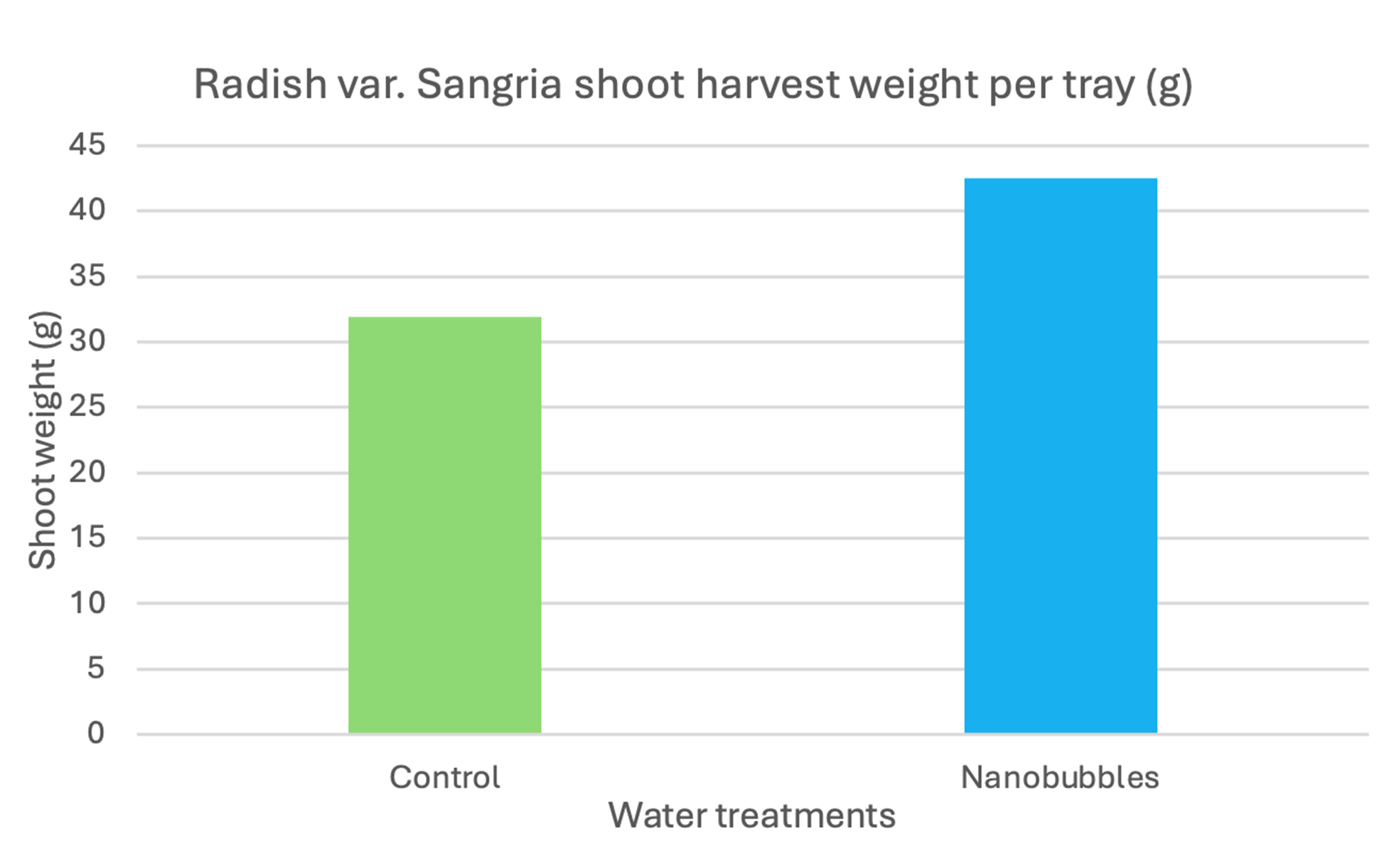
Microshoots Lab (Dundee, UK) has carried out multiple controlled trials showing that nanobOx nanobubble-treated water can increase radish microgreen yield by more than 30%, while also enabling trays to reach market-ready size up to one day earlier. These gains were achieved without changing lighting, substrate, seed rate, or nutrient recipe - only the water treatment was different. For high-throughput microgreen systems where margins are tight and rapid turnover is essential, these results point to a powerful opportunity to increase profitability and operational efficiency using nanobOx technology.

The Challenge
Radish microgreens grow rapidly, leaving very little room for improvement. Small changes in oxygen availability, moisture dynamics, or nutrient transport can greatly influence:
Biomass accumulation
Shoot strength
Root structure
Harvest timing
The goal: Can NanobOx nanobubble-enriched irrigation water meaningfully increase yield or accelerate growth without any other changes to the production system?
The Approach
Trial 1 - Yield Comparison (7 days)
Control: Standard filtered water
NanobOx treatment: Water enriched with nanobubbles
All other variables identical (seed density, substrate, nutrients, lighting)
Objective: Measure yield differences at typical harvest time.
Trial 2 - Harvest Timing Study (Days 5–7)
Trays harvested on Days 5, 6, and 7
Measured fresh weight and yield per gram of seed
Objective: Identify whether nanobubbles speed up maturity.
The Results
1.Over 30% higher yield at harvest
nanobOx-treated trays showed:
Stronger turgor
Thicker stems
More vigorous, dense root systems
Significantly greater fresh weight (>30% increase)
Across repeated cycles, this yield enhancement remained consistent.
2. Faster growth and earlier harvest readiness
Nanobubble irrigation accelerated crop development:
Day 6 nanobubble trays reached the same weight as the Day 7 control
Faster canopy coverage earlier in the cycle
Higher efficiency measured as yield per gram of seed
This effectively gives growers an extra harvest day - a major productivity benefit in microgreens production.
3. Better seed efficiency and biomass accumulation
nanobOx nanobubbles improved:
Nutrient transport
Root oxygen availability
Moisture balance in the substrate
The result: More output from the same amount of seed, energy, and labour.
AQUACULTURE CASE STUDY
35 g in 80 days
Average shrimp weight
NanobOx’s electric field nanobubble technology improved water conditions, supporting accelerated shrimp growth with weights up to 42 g.
In collaboration with Three Sixty Aquaculture, NanobOx’s patented electric field nanobubble system was deployed in a shrimp RAS environment.
The trial demonstrated:
Increased biomass
Improved feed conversion
Shorter production cycles